Hotel IPTV Solution: How It Works and What to Look For
Updated November 2026 · 5 min read
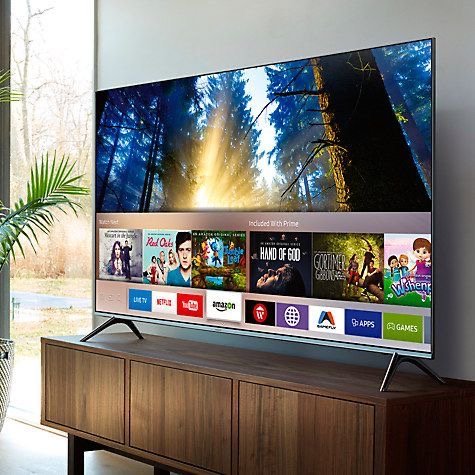
A hotel IPTV solution delivers live TV, movies and guest information to every room over the hotel network instead of old coaxial cable. Guests get a modern, easy-to-use TV experience, and the hotel gets a flexible system it can manage from one place.
In this guide we explain how a hotel IPTV solution works, which parts you need, which features matter, and how to plan costs. If you are a hotel owner, manager or installer, this will help you ask the right questions before you choose a supplier.
What is a hotel IPTV solution?
IPTV stands for Internet Protocol Television. A hotel IPTV solution sends TV channels and video over the hotel data network, using the same kind of cabling and switches that carry internet traffic. Each room has a TV, a set-top box or a smart TV app that receives the stream.
Compared with a classic coaxial system, IPTV is easier to expand, supports interactive features and can be managed centrally. If you want a short primer first, read our guide on what is IPTV.
How a hotel IPTV solution works
The system has four main parts. The headend receives channels from satellite, terrestrial or other sources and converts them into IP streams. A middleware server manages the guest interface, channel lists and room settings. The network, made of switches and cabling, carries the streams to the rooms. Finally, each room has a TV or set-top box that decodes the stream and shows the menu.
Because everything runs over IP, the hotel can add channels, change menus or send messages to all rooms from a control panel. You can read more about the equipment side in our post on IPTV headend equipment.
Key features of a hotel IPTV solution
- Live TV: local and international channels in HD, sometimes 4K
- Video on demand: movies and series guests can start any time
- Welcome screen: a personal greeting and hotel information
- Hotel services: menus for room service, spa, events and local tips
- Casting: guests can show content from their own phones and tablets
- Multi-language menus: helpful for international guests
- Central control: manage all rooms from one dashboard

Benefits for hotels and guests
Guests enjoy a familiar, modern experience. They can find channels fast, use their own streaming apps through casting and read hotel information without calling the front desk. For the hotel, a hotel IPTV solution reduces cabling costs over time, cuts maintenance visits and opens new revenue ideas such as promoted services and paid content.
Better guest satisfaction also tends to support better reviews, which matters a lot in the hospitality business.
Planning the network
A hotel IPTV solution is only as good as the network under it. Use quality cabling, managed switches that support multicast and enough bandwidth for all rooms at peak time. A good rule is to plan for several megabits per HD stream and more for 4K. Separate the TV network from the guest Wi-Fi so one cannot slow down the other.
Ask your installer to test every room before opening and to provide documentation for future changes.
Costs of a hotel IPTV solution
Costs depend on the number of rooms, the equipment and the content licenses. Typical budget items are the headend and middleware, set-top boxes or TV licenses, network upgrades, installation and training, and ongoing content and support fees. Ask suppliers for a clear quote that separates one-time costs from monthly costs, and ask how prices change when you add rooms.
Do not choose only by the lowest price. A cheap system with poor support can cost more through downtime and guest complaints.
Guest experience: what guests expect today
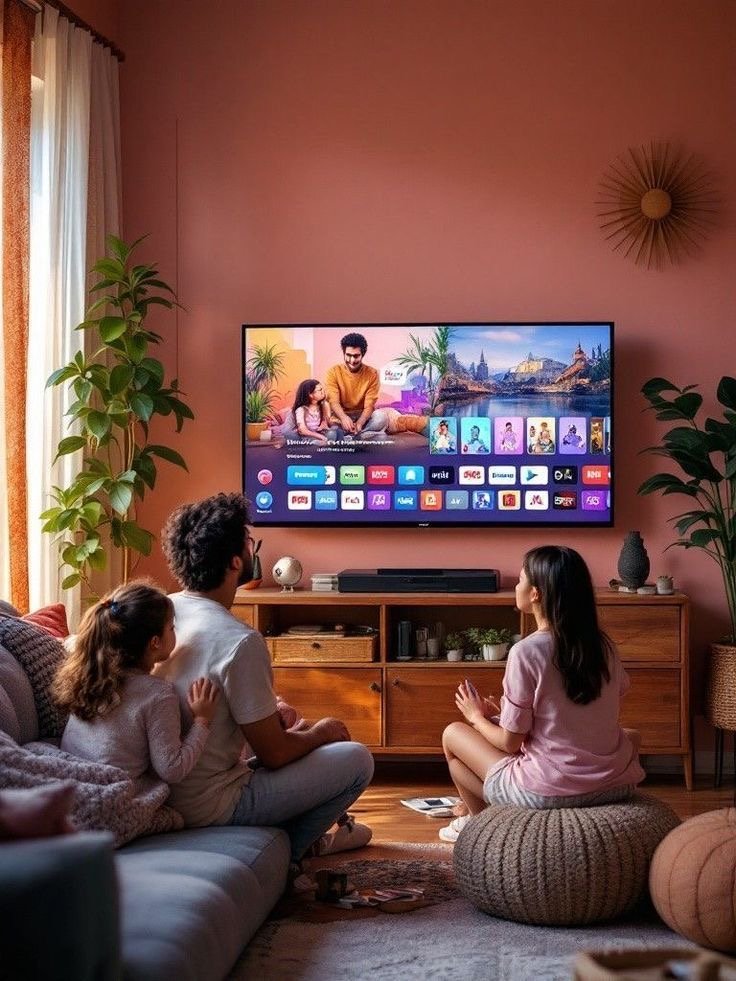
Guests arrive with high expectations shaped by their home streaming apps. They expect fast menus, clear channel numbers, a welcome message and simple controls. A hotel IPTV solution should let them find a channel in a few seconds and resume where they stopped. Support for casting from a phone is now almost a standard request, especially for business travelers and families.
Think about accessibility too: large fonts, subtitles and multiple languages make the system more useful for everyone.
Maintenance, monitoring and support
After installation, the system needs regular care. Remote monitoring finds problems before guests notice them, such as a stream that stopped or a box that needs a restart. Plan for software updates, a spare stock of set-top boxes and a clear process for reporting issues. A good supplier gives you a service agreement with response times, so you know exactly how fast help arrives.
Content and licensing
Hotels need the right to show channels in public or commercial areas and guest rooms. Always use a content provider that can document its licenses, and ask what is covered. Using personal or consumer services in a hotel can break the terms of those services. Our legal page explains how we handle terms for our own consumer plans, which are different from commercial hotel licensing.
How to choose a supplier
Ask for references from hotels of a similar size. Check how fast support responds and whether the supplier offers remote monitoring. Request a demo room before you commit. Make sure the system supports the devices and apps your guests use, and ask how updates are delivered.
Also ask about future-proofing: can the system add 4K, new apps or integration with your property management system later?
Common mistakes to avoid
Many projects fail because of weak networks, unclear licensing or poor planning for peak usage. Others fail because the menu is confusing for guests. Keep the interface simple, test with real users and plan for staff training. If you need a general IPTV subscription for a small property, you can start with our IPTV service and ask us for a free trial through the contact page.
Frequently Asked Questions About Hotel iptv solution
What is a hotel IPTV solution?
It is a system that delivers TV and video to hotel rooms over the IP network instead of coaxial cable.
Does a hotel need special hardware?
Yes, usually a headend, a middleware server, a suitable network and a TV or set-top box in each room.
Can guests use their own apps?
Many systems support casting from phones and tablets so guests can use their own apps.
How long does installation take?
It depends on size. Small hotels may take days, larger properties weeks.
Is IPTV cheaper than cable?
Often yes in the long run, because IP cabling is simpler to expand and maintain.
Choosing the right hotel IPTV solution
A good hotel IPTV solution combines reliable technology, a strong network, proper licensing and a simple guest interface. Start with a clear list of needs, ask for demos and references, and compare quotes that show every cost. With careful planning, the system improves the guest experience and gives you more control over what your TVs offer.
Message us for a free trial and see it on your own screen.
💬 Start on WhatsAppImportant: IPTV players are applications used to play content. IPTV technology is legal, but the legality of specific channels and content depends on licensing and local laws. Channel availability, streaming quality, and app features may vary by device, location, subscription, and internet connection. Customers should only access content they are legally entitled to view.